CP Group has a history of innovation that it continues to carry forward.
For nearly 50 years, CP Group has helped advance the recycling industry by providing innovative solutions to its most pressing challenges. That drive to innovate remains core to system and product development.
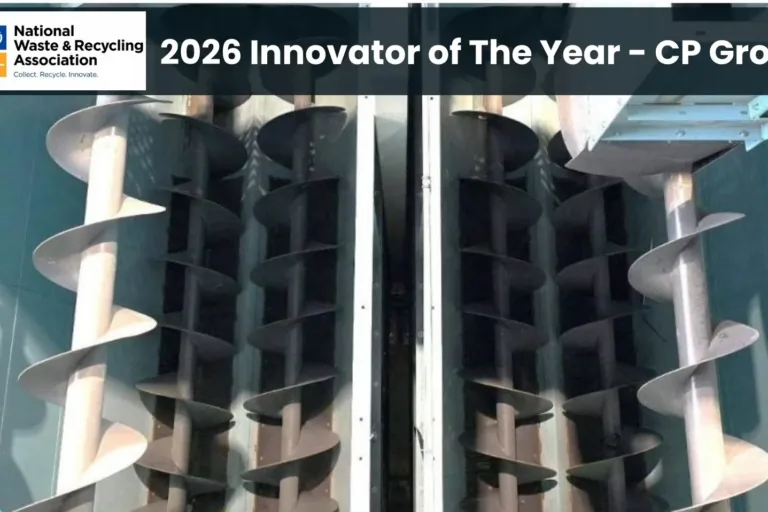
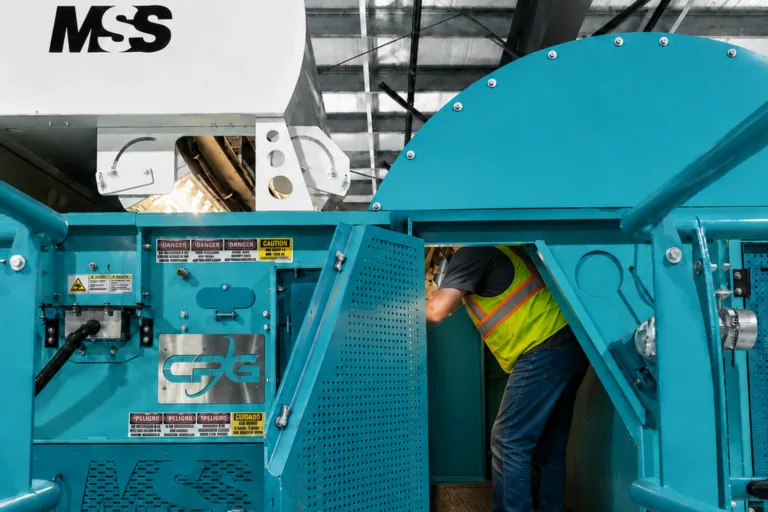
CP Group was founded in 1977 with Charles M. Davis’ invention of the Can Pac aluminum can flattener, which seems modest compared with CP’s more recent innovations. Among these advancements are the CP Auger Screen, which eliminated the presort at material recovery facilities (MRFs); its Auger Silos, which have been nominated for the NWRA Recycling Equipment Innovator of the Year Award; and being the first to pair AI with air ejection. These modern innovations and the reliability of the systems engineered and built by CP Group, including its MSS optical sorting division and Recycleye artificial intelligence (AI) sensor division, make the company a trusted supplier to MRF operators around the globe.
While CP Group’s first 50 years were about building the world’s most trusted recycling systems and equipment, the next 50 years are about building the world’s smartest ones with the help of additional innovations in development.
CP Group’s Senior Vice President of Strategy and Growth Richard Coupland discusses how CP’s past is helping shape the future of MRFs in the following Q&A.
Q: How does CP’s history inform how it is addressing the current challenges MRF operators face?
Richard Coupland (RC): One of the first things that comes to mind is our history of innovating new products and new capabilities. Across MSS and CP, we hold more patents than anyone else in the industry, and we’ve tended to introduce new capabilities based on our connections with the industry and with customers that other suppliers either replicate or adapt. We’re proud to be the leader in bringing capabilities that address emerging or real challenges in the industry.
Our ability to keep innovating and refining what we do and bring new products to market is a core element of our culture.
As an example, we hold a patent on the hood design of our optical sorters that we developed to address expectations for higher purity and recovery of paper, which also necessitated higher belt speeds and wider belts. We’re the first to pair AI with air ejection. Both innovations progressed the market forward exponentially because operators could process so much more material with higher throughput and recovery.
Q: How do your ongoing investments in research and development and practical experience as a MRF operator drive CP’s approach to MRF design?
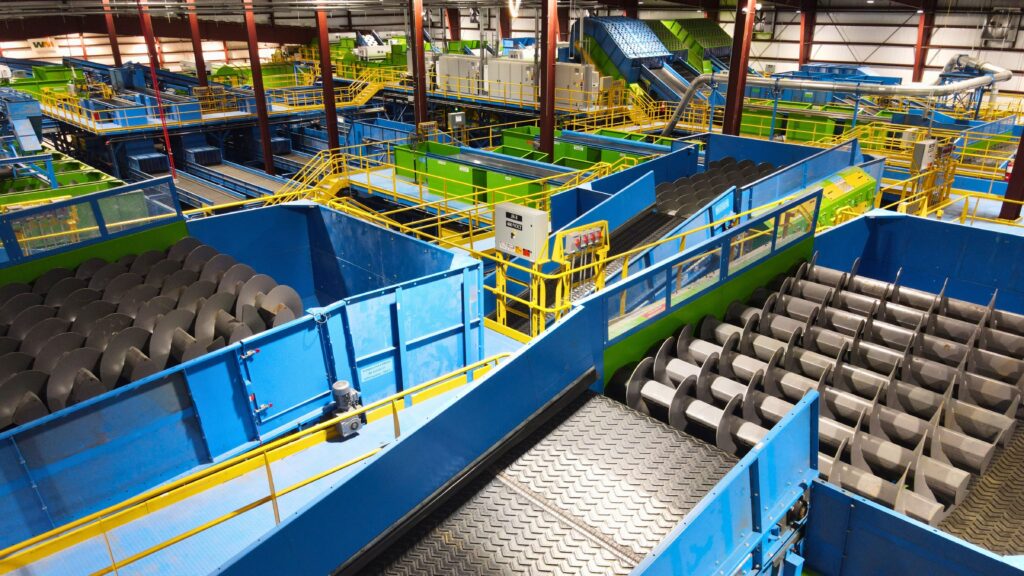
RC: A lot of manufacturers develop a piece of equipment or a piece of technology, intending for it to be interesting to a customer. But we look at it through the eyes of the operator or the maintenance manager and are thoughtful and thorough in our design and development. While others may rush an idea to market, we tend to bring fully thought-out products to market.
We also consider user experience, whether it’s interacting with the touch screen or the equipment itself or the ability to easily maintain it. That is based on our experience of having been in their shoes, having operated a MRF in San Diego for 30 years.
An example of a recent innovation—when you bale material from the silos, you end up with a pile that’s not a full bale. That results in spending 10 or 15 minutes cleaning out the baler, or you have a mixed- material bale that you must break and reintroduce to the system. That is inefficient and costly. We designed our Auger Silos to precisely dose a commodity to the baler to make a perfect bale, which reduces overall maintenance and is transforming customers’ operations. That solution is anchored in our company’s experience as an operator, along with many in our organization coming from operations backgrounds.
Q: Last year, Declaration Partners, a New York-based private investment firm, acquired a majority stake in CP Group. How has that affected CP’s business and R&D initiatives?
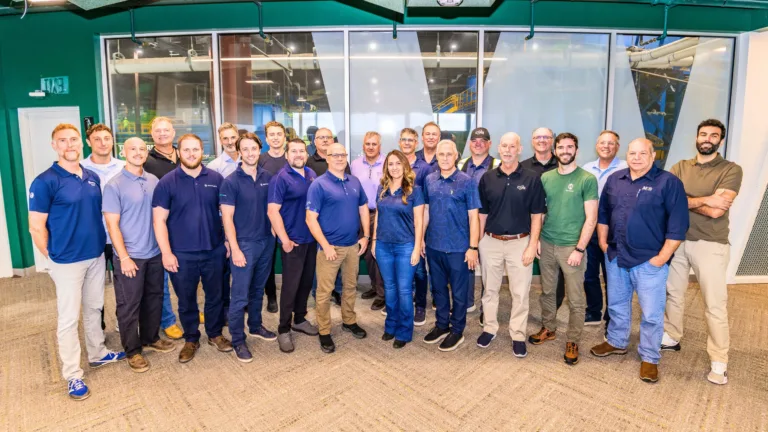
RC: Declaration Partners is an established and successful family office, maintaining the family culture that CP was founded on. The entire leadership team has remained in place, with additional talent to help support growth. The ownership stake also unlocked tremendous investment and growth opportunities by providing access to capital for research or acquisitions.
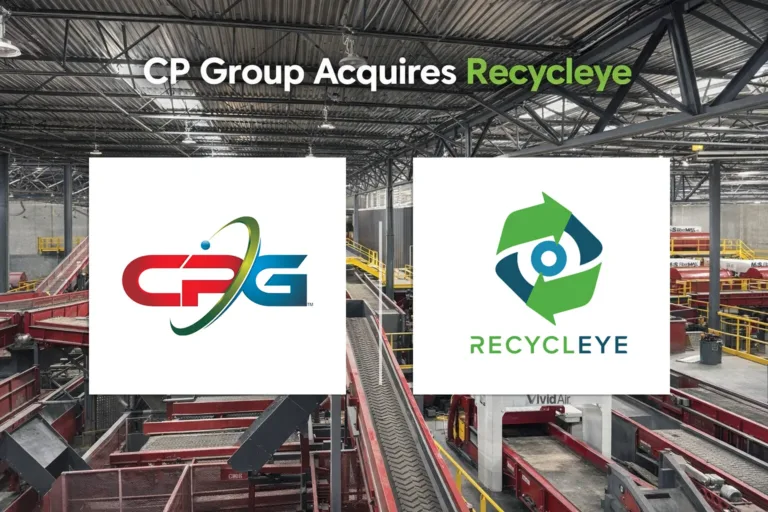
Our recent acquisition of Recycleye is a perfect first example of our intention to grow the portfolio, both in capabilities and in coverage for customers around the world.
Q: How will MRF operators benefit from the Recycleye acquisition?
RC: There’s a tremendous amount of buzz in the industry around AI. The reality is that AI’s been around for some time; it just didn’t have a name, and it didn’t have the traction it does today. Recycleye has the largest install base of AI-based sorting technology in Europe, and we partnered with them to bring their capabilities to our equipment in the North American market in 2023. Together, we introduced pairing AI with air-ejection sorting versus the typical mechanical arm extraction of material that people see with robots.
For years now, we have felt strongly that AI has a much bigger role in the system and how our customers interact with it to provide true “operational intelligence” they can use to generate value. That is the cornerstone of the acquisition of Recycleye: It’s not only to bring a phenomenal team that fits with us and our culture into the fold, but it’s to leverage what they’ve started and apply it at a system level for our customers.
Q: Are any new AI-based capabilities being developed as a result of the Recycleye purchase?
RC: We’ve formed an alliance with a company in the fourth quarter of last year for an AI-based X-ray technology product called Sentry. Our first system install in the fourth quarter is targeting hazards that harm the system and cause downtime. That includes batteries, but the hard reality is that downtime is largely attributable to nonprogram materials, and removing those materials will allow our systems to operate at higher productivity and profitability than anyone else’s, and we’re going to start proving that in 2027.
We will apply AI in several different ways to transform how our customers interact with the system. We’ll provide insights around the quality of the material they’re producing and help them monitor the system to understand where they need to get in front of things that are starting to stray and could cause production or quality to erode.
Q: What are you doing to help MRF operators improve OCC quality?
RC: On average, customers using our MSS FiberMax sorters generate one to three additional bales of cardboard per hour by shifting small fragments of OCC from mixed paper. That results in $500,000–$1 million-plus of additional revenue per year, and that’s a great example of how our systems pleasantly surprise our customers.
Q: What is CP doing to help MRF operators and brand owners respond to the requirements established by extended producer responsibility (EPR) laws?
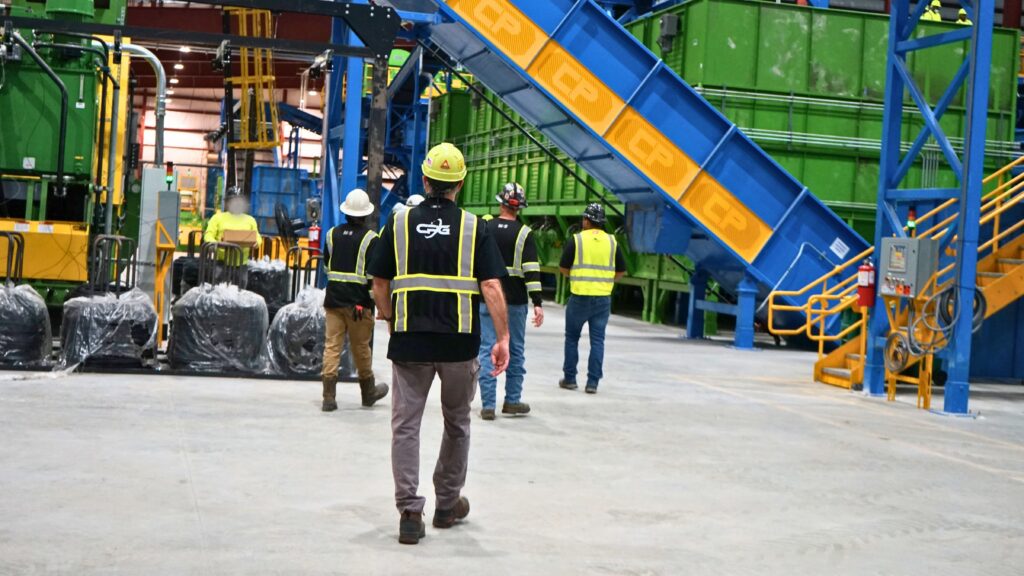
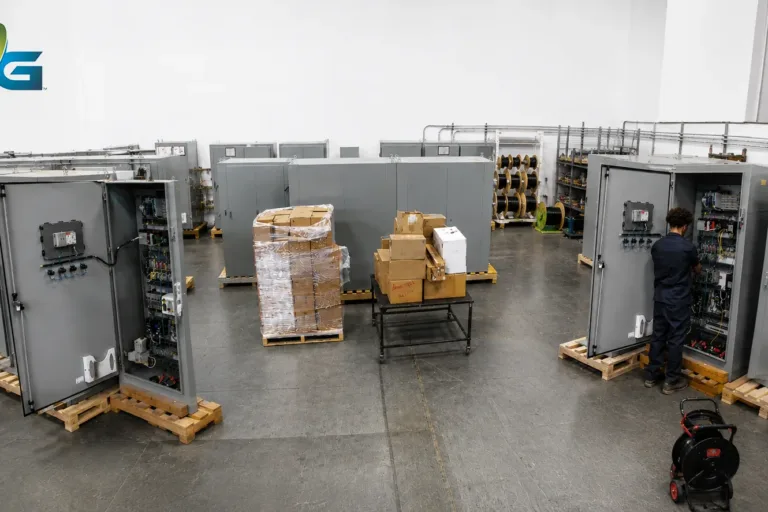
RC: It’s the same thing we’ve always done. By working with our customers and using our extensive engineering capabilities, we retrofit systems so they can leverage the new opportunities under EPR to capture more material. We have more than 50 engineers who can work with customers, either to retrofit or build new facilities, to unlock new ways to recover commodities outside of the typical streams.
We’re not just a product sales company. We’re going to help with integration across the entire platform because you can’t just look at where you can pick up more material. You must look at where that material is going to be stored, how it is going to be baled and how it is going to fit into the operational capacity they have. It goes beyond recovery; it’s a holistic system approach.
EPR relies on AI to recognize different containers and other forms of packaging. We just went through an intensive recording of material to improve our base model from 70 different types of materials to over 200, so our customers will be ready when the time comes.
Q: What role is predictive and preventive maintenance playing in the equipment and systems CP is manufacturing?
RC: That’s another form of data. As an integrator and OEM, our systems are designed to collect more data across the entire system, which ties back to the controls and SCADA systems we provide. It gives us a tremendous ability to have the individual pieces of equipment inform the operator how things are going and, more importantly, if things are starting to trend in a direction that would indicate maintenance is needed or that a problem needs to be addressed before it becomes a downtime issue. All of that goes back into the insights and the operational intelligence we offer that allow our customers to operate with less downtime.
As systems become more complex, automated and larger, with higher expectations for recovery, data, etc., the system integrator or designer must be involved to ensure it is operating at its best. That necessitates more touchpoints from the service team on-site for preventive maintenance. Somebody there who is helping train for operator turnover to ensure they’re getting the best recovery from the opticals and continuously optimizing as the material stream evolves over time. It’s going to be something we’re spending quite a bit of time with our customers on, making sure they continue operating their system as they did when we were there during startup and training.
Q: You’ve been solving the industry’s problems for 50 years. What is the next big problem you see, and what’s next for CP in terms of development?
RC: It all fits under the broad umbrella of diversion. The desire across the country is to extract as much beneficial reuse as you can from all the streams. The company forged its reputation and position in the industry through single-stream recycling originally, but we also supply systems for C&D, organics, e-scrap and even municipal solid waste. The ability to keep refining what we do across all streams so total diversion and beneficial reuse keep climbing—along with providing excellent support—will remain top of mind for us and at the forefront of what we’re investing in.

Richard Coupland
Senior Vice President of Strategy and Growth
CP Group
This article was originally published on September 29, 2026 in Recycling Today.